+86-0514-82202225 / +86-173 5499 5903



 English
 中文简体
中文简体 русский
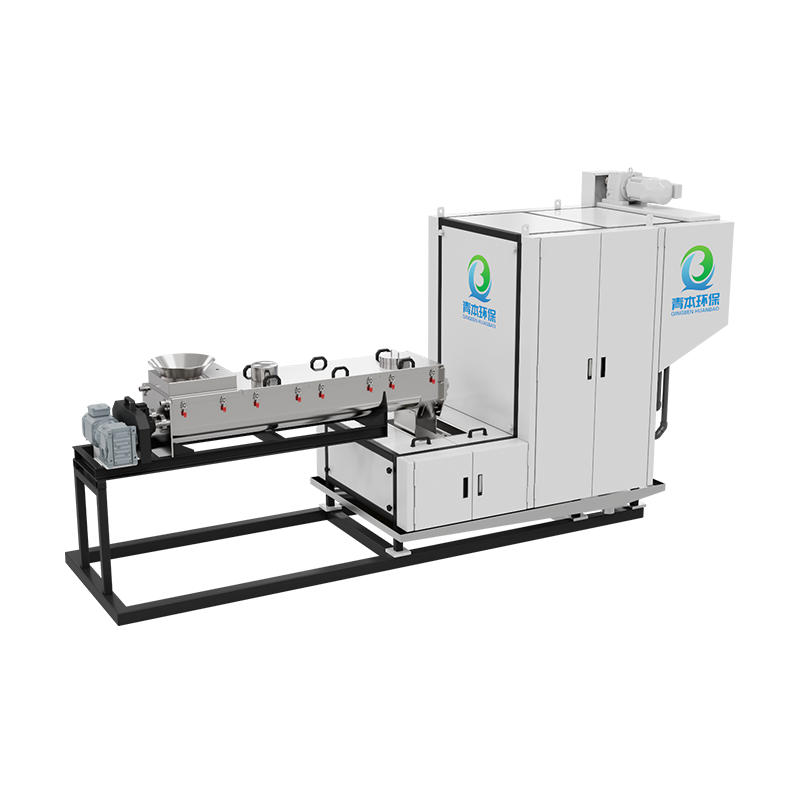
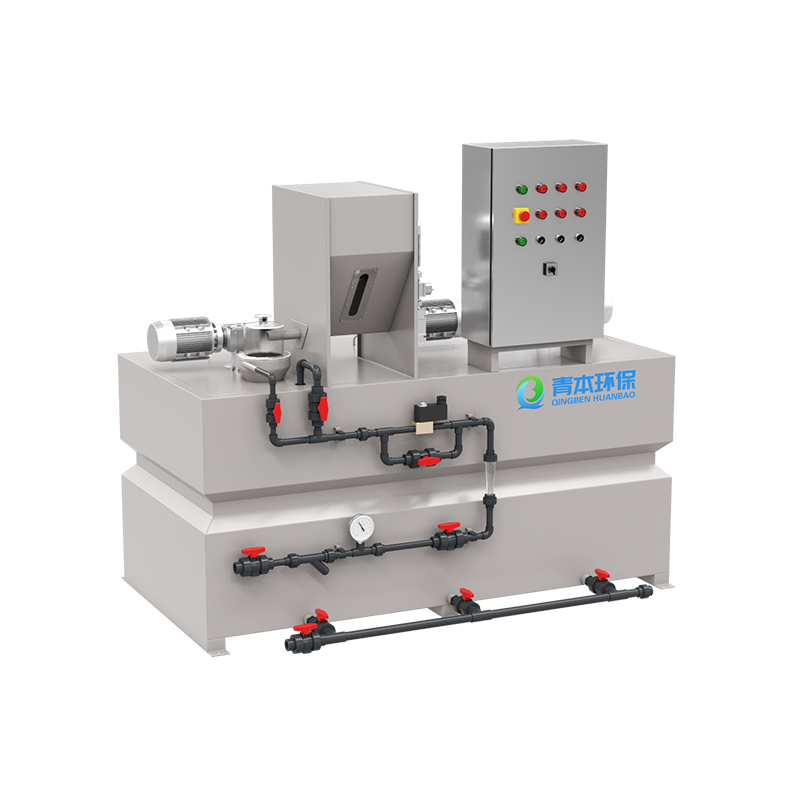
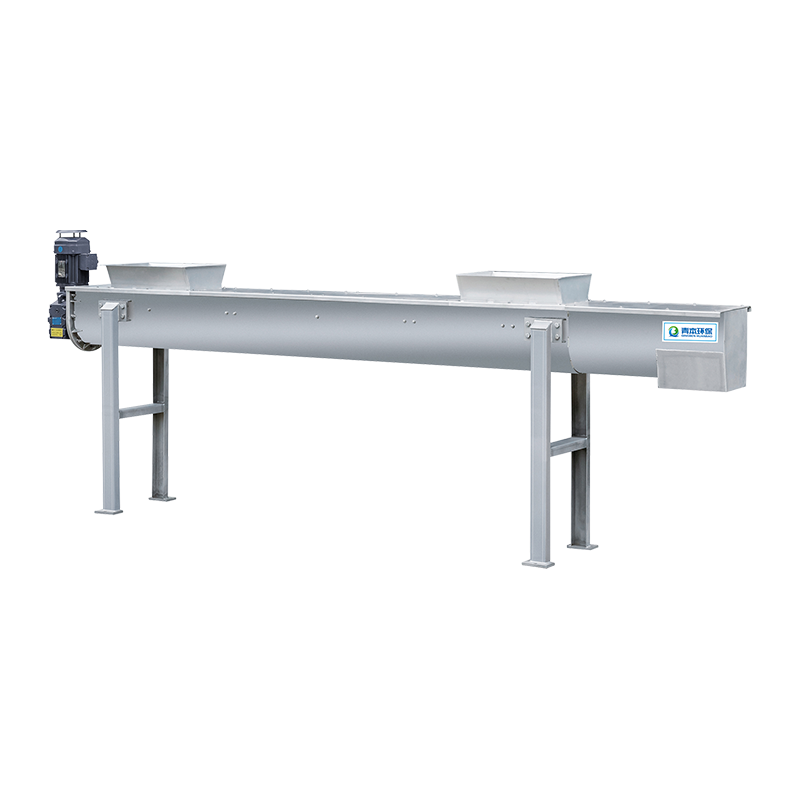
The direct answer: Yes. An Integrated Dosing Device can improve dosing accuracy by up to 95% , reduce chemical waste by 20%–40% , and significantly lower labor and maintenance costs. By combining metering pumps, control systems, tanks, and safety components into one compact unit, it delivers stable, automated, and precise chemical injection for industrial and municipal applications.
Контент
- 1 What Is an Integrated Dosing Device ?
- 2 Why Are Integrated Dosing Devices More Efficient Than Traditional Systems?
- 3 How Does an Integrated Dosing Device Improve Accuracy?
- 4 How Do Integrated Dosing Devices Compare With Conventional Dosing Systems?
- 5 Where Are Integrated Dosing Devices Commonly Used?
- 6 FAQ: Integrated Dosing Device Common Questions
What Is an Integrated Dosing Device ?
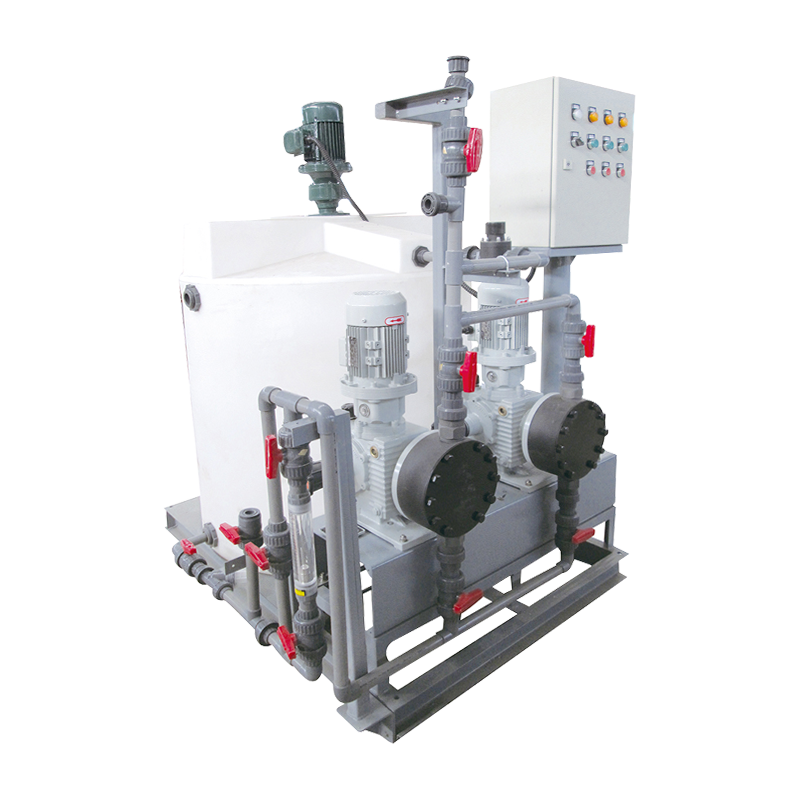
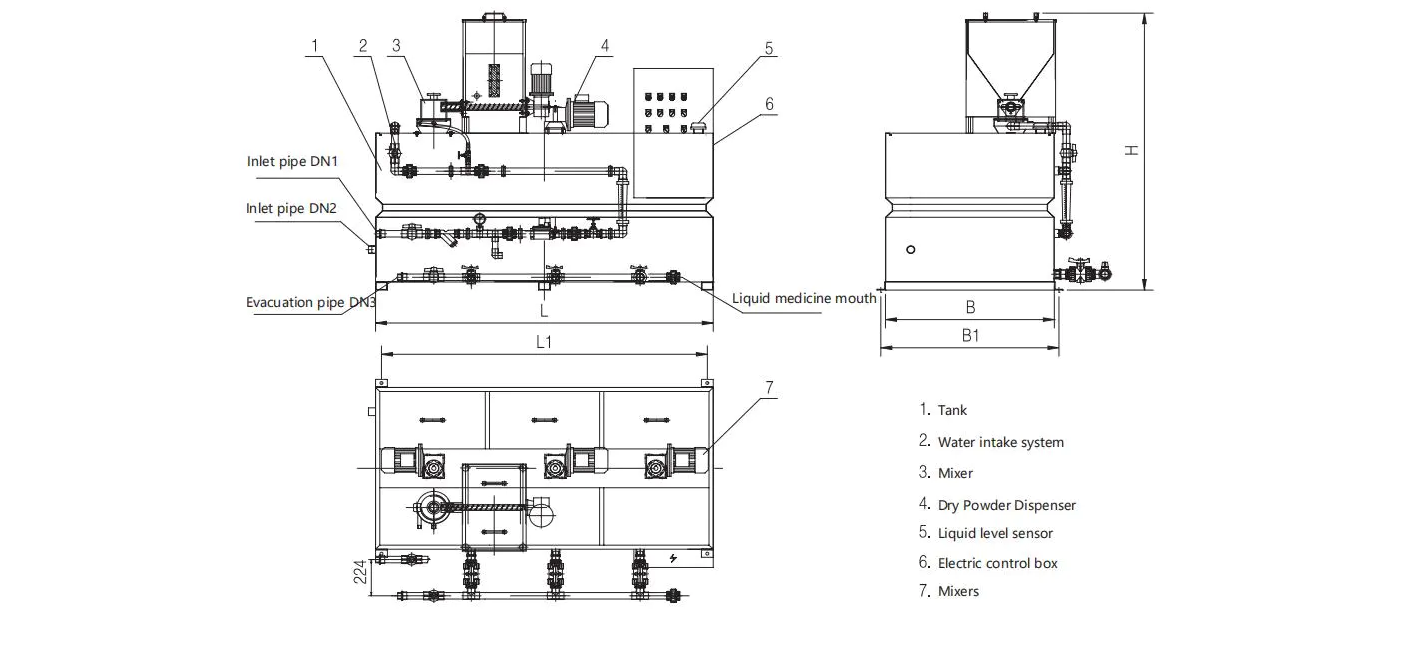
An Integrated Dosing Device is a pre-assembled chemical dosing system that integrates storage tanks, dosing pumps, control panels, sensors, valves, and piping into a single modular unit. It is designed to deliver precise quantities of chemicals into water treatment systems, industrial processes, or production lines.
Core Components
- Metering pump with adjustable flow control
- Chemical storage tank with level monitoring
- PLC or intelligent control system
- Safety valves and leakage protection
This integrated design reduces on-site installation complexity and ensures consistent dosing performance.
Why Are Integrated Dosing Devices More Efficient Than Traditional Systems?
Traditional dosing systems often rely on manual operation and multiple independent components. Integrated dosing devices automate the entire process, improving stability and efficiency.
Efficiency Advantages
- Installation time reduced by 30%–50%
- Chemical consumption optimized by real-time control
- Lower operator workload and error rate
Automated dosing reduces overfeeding and underfeeding, which directly improves treatment quality and operational stability.
How Does an Integrated Dosing Device Improve Accuracy?
Accuracy is one of the most critical performance indicators for dosing systems. Integrated devices use sensors and control algorithms to maintain consistent output.
Precision Control Features
- Flow feedback sensors for real-time monitoring
- Automatic adjustment based on water flow or process demand
- Digital calibration and alarm systems
In water treatment applications, integrated dosing systems can maintain chemical concentration deviation within ±2% , ensuring stable output quality.
How Do Integrated Dosing Devices Compare With Conventional Dosing Systems?
The table below highlights the main performance differences between integrated and traditional dosing solutions.
| Feature | Integrated Dosing Device | Traditional System |
|---|---|---|
| Installation Time | Short | Long |
| Dosing Accuracy | High | Medium |
| Automation Level | High | Low |
Integrated dosing devices provide better control and lower long-term operating costs.
Where Are Integrated Dosing Devices Commonly Used?
Integrated dosing systems are widely applied across industries that require precise chemical injection.
- Municipal water and wastewater treatment plants
- Industrial cooling water systems
- Food and beverage processing
- Chemical and pharmaceutical manufacturing
Their compact footprint makes them ideal for facilities with limited installation space.
FAQ: Integrated Dosing Device Common Questions
How accurate is an integrated dosing device?
Most systems achieve dosing accuracy within ±1%–±2% when properly calibrated and maintained.
Can integrated dosing devices be customized?
Yes. Flow rate, tank size, pump type, control system, and material selection can be customized based on application requirements.
Are integrated dosing devices easy to maintain?
Yes. Modular design allows quick component replacement and routine maintenance, reducing downtime.
What safety features are included?
Common safety features include leakage detection, automatic shutdown, overflow protection, and alarm notifications.