+86-0514-82202225 / +86-173 5499 5903



 English
 中文简体
中文简体 русский
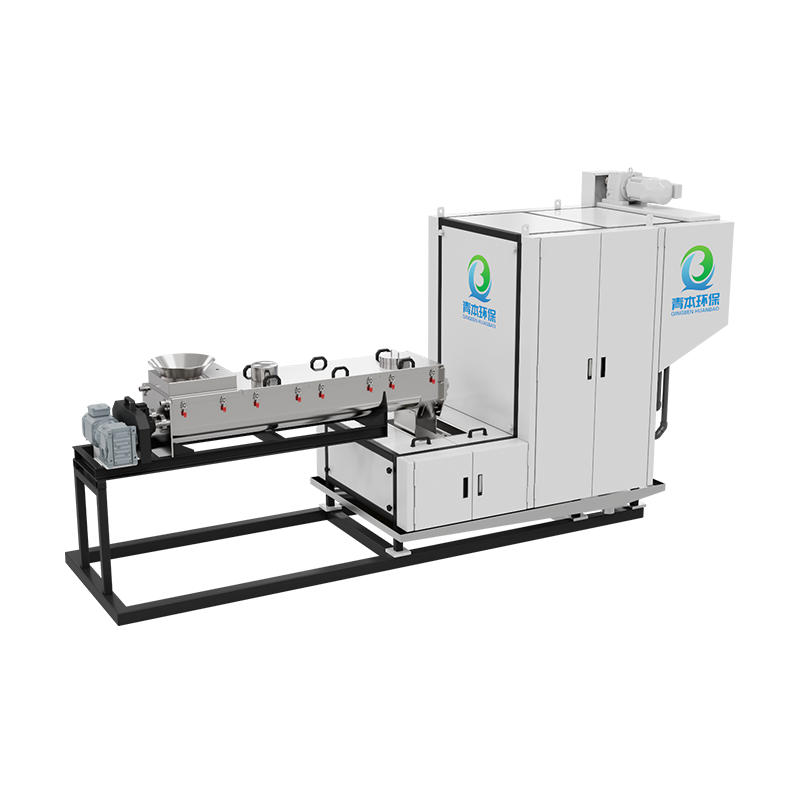
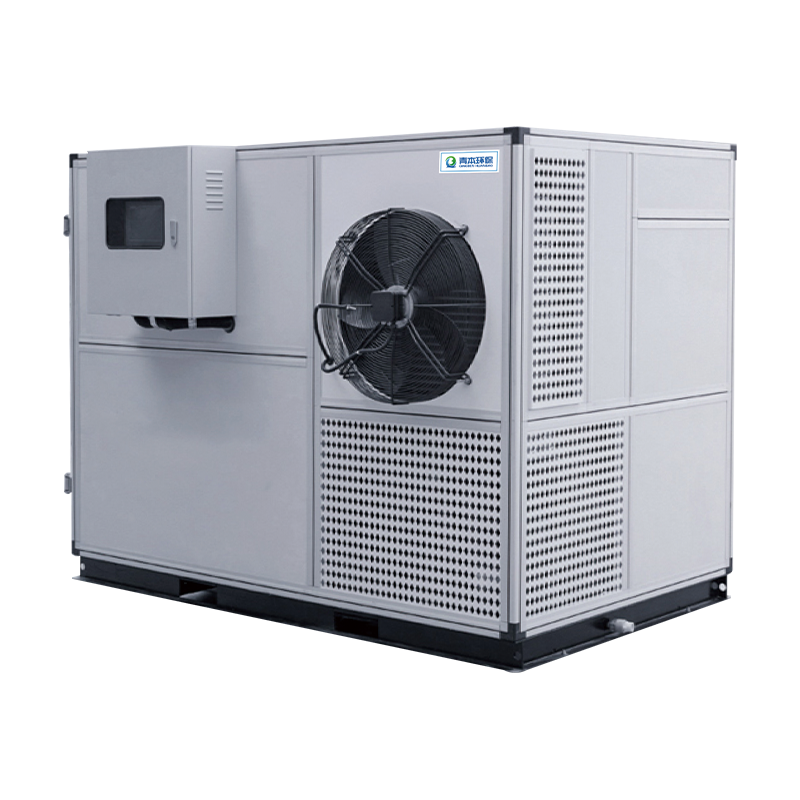
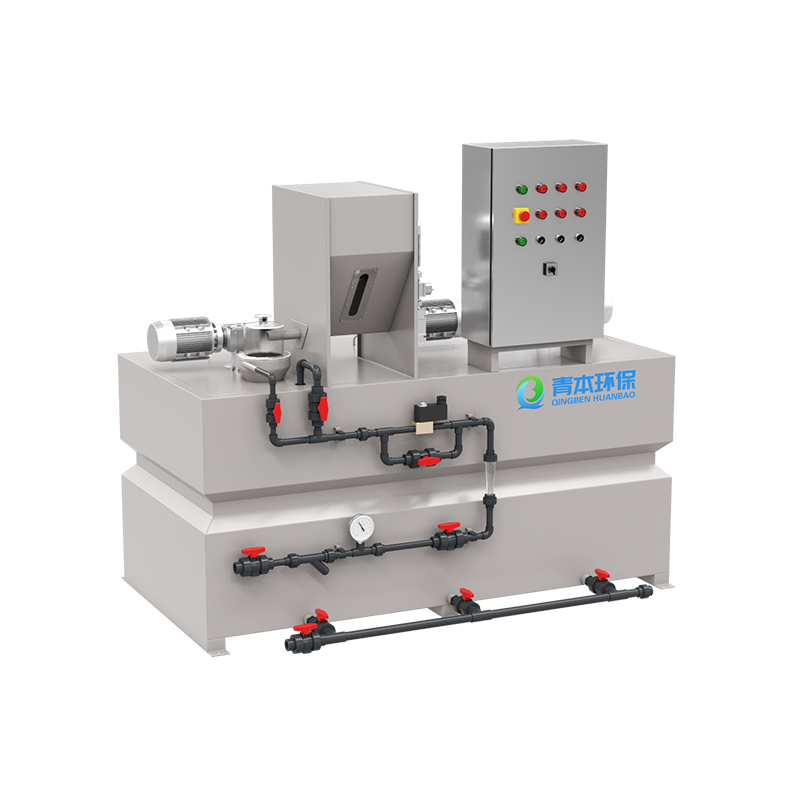
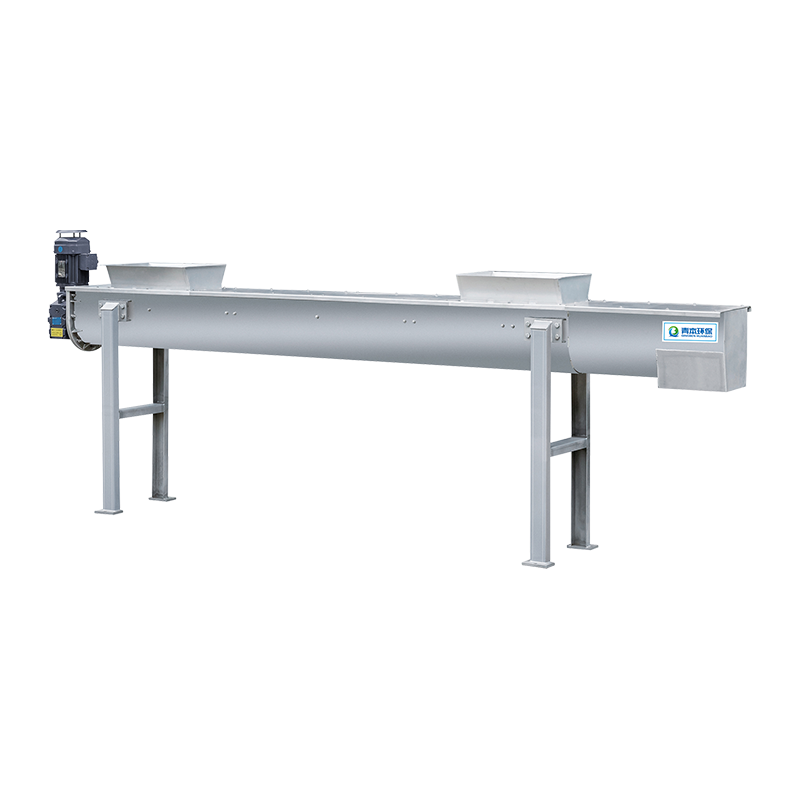
Sludge drying machines can reduce waste disposal costs by 40–70% compared to landfill-based disposal methods. By mechanically and thermally reducing moisture content from 80% down to as low as 10–15%, these systems dramatically cut sludge volume, transportation fees, tipping charges, and long-term environmental liabilities. This article explores exactly how a Low Temperature Sludge Dryer, Sludge Cryogenic Chamber Drying Machine, and related industrial systems achieve those savings — with real operational data, technology comparisons, and practical guidance for facility managers.
Whether you manage a municipal wastewater plant, an industrial facility, or a river and lake sediment remediation project, understanding the economics and engineering of sustainable sludge management is now essential. Regulatory pressure on sewage sludge disposal is rising globally, and facilities that invest in efficient sludge treatment gain both compliance assurance and measurable cost advantages.
Контент
- 1 The Real Cost Problem With Untreated Sludge
- 2 How Sludge Drying Machines Work: Core Technology Explained
- 3 Cost Reduction Categories: Where the Savings Come From
- 4 Energy Consumption: Low Temperature vs. Conventional Dryers
- 5 Technology Comparison: Which Sludge Dryer Is Right for Your Facility?
- 6 Environmental and Regulatory Benefits of Proper Sludge Drying
- 7 Return on Investment: When Does Sludge Drying Equipment Pay for Itself?
- 8 Odor Control and Community Relations in Sludge Treatment
- 9 About Qingben Environmental Technology
- 10 Frequently Asked Questions
The Real Cost Problem With Untreated Sludge
Untreated or poorly dewatered sludge is one of the most expensive byproducts a wastewater plant or industrial facility produces. When sludge leaves a plant at 75–85% moisture content, you are essentially paying to transport, store, and dispose of mostly water. The economics are straightforward but frequently underestimated.
Consider a mid-sized municipal wastewater facility generating 50 wet tonnes of sludge per day. At 80% moisture, only 10 tonnes of that material is actual dry solids — yet the facility pays disposal fees on the full 50 tonnes. With a modern Industrial Sludge Drying System, that same 50 tonnes can be reduced to roughly 12–14 dry tonnes, cutting transport trips by over 70% and slashing disposal fees accordingly.
| Treatment Level | Moisture Content | Daily Volume (tonnes) | Relative Disposal Cost | Annual Saving Potential |
|---|---|---|---|---|
| Raw sludge (no treatment) | 85% | 50 | 100% (baseline) | — |
| Belt press dewatered | 70% | 33 | ~66% | ~34% |
| Centrifuge dewatered | 55–60% | 22–25 | ~48% | ~52% |
| Low Temperature Sludge Dryer | 10–20% | 12–14 | ~26% | ~74% |
Beyond direct disposal fees, untreated sludge creates secondary costs: odor complaints, regulatory fines, and groundwater contamination liability. Environmental sludge treatment that includes drying can eliminate or significantly reduce all three categories of hidden expense.
How Sludge Drying Machines Work: Core Technology Explained
Modern Sewage Sludge Drying Equipment operates on the principle of controlled heat and airflow to evaporate moisture from dewatered sludge cake. The process varies by technology type, but all effective systems share the goal of reducing sludge to a stable, low-moisture granule or powder that is easy to handle, transport, and beneficially reuse.
Low Temperature Cryogenic Chamber Drying
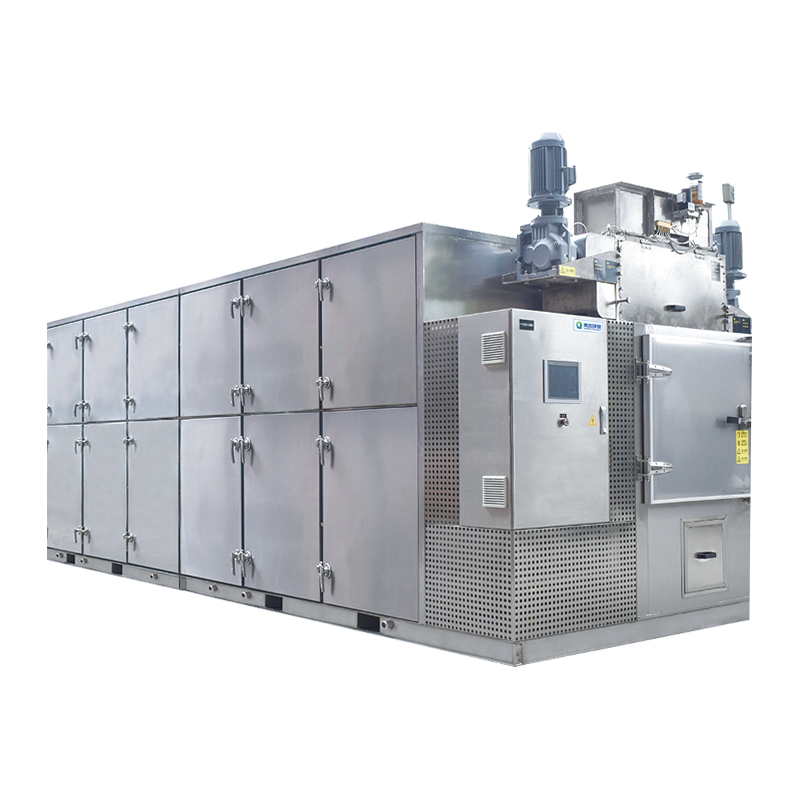
The Sludge Cryogenic Chamber Drying Machine represents a major advance in low energy sludge drying. Rather than using high-temperature direct heat (which requires large fuel inputs and risks producing harmful emissions), the cryogenic chamber system operates at 45–75°C using a closed heat pump loop. Warm, dry air is circulated over the sludge bed; moisture-laden air exits the chamber, is cooled to condense water, then reheated and recirculated. This closed-loop design achieves specific energy consumption of 0.3–0.6 kWh per kilogram of evaporated water — roughly 40–60% less than conventional drum dryers.
The low operating temperature also means near-zero risk of thermally generating dioxins or furans, a critical advantage for industrial waste compliance. Odor control in sludge drying is inherently supported because the closed-loop system prevents exhaust gases from entering the surrounding environment untreated — a key concern for urban-adjacent facilities.
Continuous vs. Batch Drying
A Continuous Sludge Drying Machine feeds dewatered sludge at a constant rate and outputs dried product without stopping, making it suited for large-scale municipal or industrial operations. Batch systems process fixed loads, offering flexibility for smaller or variable-throughput facilities. For municipal sludge treatment plants generating more than 20 dry tonnes per day, continuous systems provide better energy efficiency per unit and lower labor cost per tonne.
Fig. 1 — The four-stage volume reduction pathway from raw sludge to dried product, showing moisture targets and relative cost impact at each stage.
The diagram above illustrates how each treatment stage compounds the cost reduction. Dewatering alone reduces volume by roughly half, but adding a Wastewater Sludge Dryer downstream cuts the final volume to just 15–20% of the original — unlocking the largest portion of disposal savings. The two technologies work together as a system; neither alone achieves optimal results.
Cost Reduction Categories: Where the Savings Come From
The financial benefits of deploying an Energy Efficient Sludge Dryer span multiple budget lines. Understanding each category helps facilities build an accurate business case and justify capital investment to stakeholders.
Fig. 2 — Estimated percentage reduction in operational cost categories achievable after deploying an industrial sludge drying system versus no drying or high-temperature alternatives.
Odor-related costs often surprise plant managers — these include neighbor complaints, regulatory inspections, and sometimes legal actions. Odor control in sludge drying is one of the strongest non-financial arguments for investing in enclosed low-temperature systems, but as the chart shows, it also has direct financial value. Transportation savings are similarly large: fewer vehicle movements mean lower fuel costs, reduced driver hours, and less road-use impact.
Transportation and Haulage Reduction
A facility reducing sludge from 80% to 15% moisture achieves a weight reduction of roughly 75–80%. If that facility previously ran 10 tanker loads per day, post-drying it may need only 2–3. At an average haulage cost of $80–120 per tonne (distance-dependent), this alone represents tens of thousands of dollars saved annually for even a modest-sized plant.
Landfill Diversion and Tipping Fee Avoidance
Dried sludge — particularly product dried to below 20% moisture — qualifies for beneficial reuse pathways including land application, composting supplementation, and co-firing in cement kilns. These end-uses often carry zero or even negative disposal costs (gate fees paid by receivers). By contrast, wet sludge sent to landfill incurs tipping fees that in many regions now exceed $60–120 per wet tonne due to leachate management requirements. Sustainable sludge management through drying is therefore not just an operational choice but an increasingly economical one.
Energy Consumption: Low Temperature vs. Conventional Dryers
Energy cost is the most common objection raised when facilities consider adding a drying step. This concern is valid for older high-temperature systems, but modern low energy sludge drying technology has fundamentally changed the equation. The Sludge Moisture Reduction Machine based on heat pump principles consumes a fraction of the energy required by direct gas-fired drum dryers or spray dryers.
Fig. 3 — Relative energy cost index comparison between conventional high-temperature and cryogenic low-temperature sludge drying systems as daily throughput increases. The gap widens significantly at higher volumes, making low-temperature technology increasingly advantageous at scale.
At smaller throughputs, the absolute cost difference is moderate. But as the chart demonstrates, at 40–60 dry tonnes per day, the energy cost gap between conventional and low-temperature systems becomes substantial. This makes the Sludge Treatment Dryer based on cryogenic chamber technology especially compelling for medium-to-large municipal and industrial operations.
The lower operating temperature also supports carbon neutral wastewater treatment goals. When waste heat from facility processes — including biogas combustion or CHP units — is used to supply the dryer's thermal input, the net carbon footprint of drying can approach near-zero. Several forward-thinking utilities have integrated this approach as part of broader wastewater plant modernization programs.
Technology Comparison: Which Sludge Dryer Is Right for Your Facility?
Selecting the right Industrial Sludge Dewatering System and drying combination depends on sludge type, throughput volume, available energy sources, site constraints, and downstream disposal goals. The following radar chart compares four common drying technologies across key performance dimensions.
Fig. 4 — Radar comparison of Cryogenic Chamber Dryer vs. Conventional High-Temperature Drum Dryer across six operational dimensions. The cryogenic system leads significantly in energy efficiency, odor control, and emission safety — the three dimensions most relevant to environmental compliance and operating cost.
The radar analysis highlights that no single technology dominates in every dimension. Conventional drum dryers offer higher raw throughput in some configurations but at the cost of energy efficiency and emission safety. The Sludge Cryogenic Chamber Drying Machine is superior for facilities where ongoing energy costs, odor complaints, and emission compliance are primary drivers — which applies to the majority of municipal sludge treatment and regulated industrial sites.
| Application Type | Recommended Technology | Key Driver | Target Moisture Output |
|---|---|---|---|
| Municipal WWTP (>50,000 PE) | Continuous Low Temp Dryer | Energy cost & compliance | 10–15% |
| Industrial process wastewater | Cryogenic Chamber System | Odor control & reuse | 15–20% |
| River / lake sediment | Batch or continuous dryer | Site mobility & volume | 20–30% |
| Small facility (<10,000 PE) | Batch low-temp unit | Flexibility & low capex | 20–30% |
Environmental and Regulatory Benefits of Proper Sludge Drying
Environmental sludge treatment requirements are tightening across most major jurisdictions. In the European Union, the Urban Wastewater Treatment Directive recast and related national legislation increasingly restrict wet sludge landfilling. In China, the GB 18918 standard has raised the bar for sludge management at municipal facilities. Similar regulatory pressure exists across Southeast Asia, the Middle East, and North America. Facilities that adopt modern drying equipment are not only reducing costs — they are future-proofing their operations.
Beyond legal compliance, the environmental case for carbon neutral wastewater treatment through sludge drying is compelling. Dried sludge has a calorific value of 10–15 MJ/kg (comparable to lignite coal), making it a viable fuel supplement in cement kilns or power plants. When this offsets fossil fuel consumption, the lifecycle carbon savings can be substantial — in some cases exceeding the carbon footprint of operating the dryer itself.
Fig. 5 — Comparative regulatory non-compliance risk score by sludge management approach. Scores are relative and reflect likelihood of regulatory inspection failure, permit violations, and associated financial penalties. Low-temperature drying achieves the lowest risk profile due to its closed-loop design and favorable output characteristics.
Facilities using modern low-temperature drying face significantly reduced exposure to regulatory enforcement actions. The closed-loop exhaust design addresses the air quality concerns that often accompany high-temperature alternatives, while the reduced final volume and stable dried product are more easily documented and verified for discharge permit compliance.
Return on Investment: When Does Sludge Drying Equipment Pay for Itself?
The payback period for a Sludge Treatment Dryer varies by facility size, local disposal costs, energy prices, and sludge characteristics. Based on operational experience across multiple project types, the following ranges apply as general guidance:
- Small municipal facilities (under 10,000 population equivalent): Payback typically 4–7 years, driven primarily by reduced haulage costs.
- Medium facilities (10,000–100,000 PE): Payback 2.5–5 years, with both disposal fee savings and energy efficiency contributing significantly.
- Large industrial sites (heavy industry, food processing, paper mills): Payback as short as 18–30 months when sludge volumes are high and disposal costs are elevated due to hazardous or semi-hazardous classification.
- River and lake sediment projects: ROI is typically project-based, with drying enabling beneficial reuse of material that would otherwise require costly containment.
Fig. 6 — Illustrative cumulative net savings trajectory for a medium municipal facility investing in a Low Temperature Sludge Dryer. Initial capital outlay is offset by disposal fee savings and energy cost reductions, with breakeven typically achieved around Year 1.5–2 for this facility size. By Year 5, cumulative savings are projected at 3× the initial investment.
Qingben Environmental Technology supports clients through the full investment cycle — from pre-feasibility cost modeling and technical design to construction, commissioning, and ongoing operational support. This comprehensive approach ensures that projected savings are actually realized in practice, not just on paper.
Odor Control and Community Relations in Sludge Treatment
One of the most undervalued aspects of odor control in sludge drying is its impact on community relations and facility social license. Wastewater plants that generate odor complaints face growing operational constraints: restricted operating hours, mandated buffer zones, costly deodorization retrofits, and in some cases, forced relocation of operations.
The Sludge Cryogenic Chamber Drying Machine design addresses this directly. Because the drying air is fully recirculated within a sealed chamber, the humid exhaust is condensed and collected rather than vented. Volatile organic compounds (VOCs) and hydrogen sulfide — the primary odor agents in sludge — are retained in the condensate circuit and managed in a controlled manner. Facilities that have transitioned to this technology report a significant reduction in neighbor complaints within the first operating year.
For industrial sites subject to Environmental Impact Assessment conditions, the demonstrable odor reduction offered by low-temperature closed-loop drying often enables facilities to expand throughput or operating hours that would otherwise be restricted — adding further economic value beyond the direct disposal cost savings.
About Qingben Environmental Technology
Qingben Environmental Technology (Jiangsu) Co., Ltd. is a professional enterprise specializing in the manufacturing and service of sludge and wastewater treatment equipment. Rooted in the field of sludge and wastewater treatment equipment research and development, we supply sludge dewatering machines, sludge drying equipment, complete sets of wastewater treatment equipment, and river and lake sediment drying equipment — along with full technical services.
As a dedicated custom Sludge Cryogenic Chamber Drying Machine manufacturer and factory, we deliver comprehensive technical support across every project phase: from initial consultation and design through construction, commissioning, and long-term operation and maintenance. Our goal is to ensure the successful implementation and efficient ongoing operation of every sewage treatment and sludge treatment project we take on. Whether you are modernizing an existing wastewater plant modernization project or designing a greenfield sludge management facility, Qingben's engineering and service teams are equipped to support your goals.